

A dental crown helps protect a damaged tooth, restore chewing function, and improve the appearance of a smile. Yet, many patients worry about how long their crown will last, whether it will need replacement, and how daily habits affect its lifespan. With good oral hygiene and routine dental care, a dental crown can serve for many years.
For patients considering Dental Crowns in Sandy, Utah, knowing what affects crown longevity can help with treatment planning and long-term oral health. The right crown, careful brushing, healthy eating habits, and regular dental checkups all play a part in keeping a restored tooth strong.
How Long Do Dental Crowns Last?
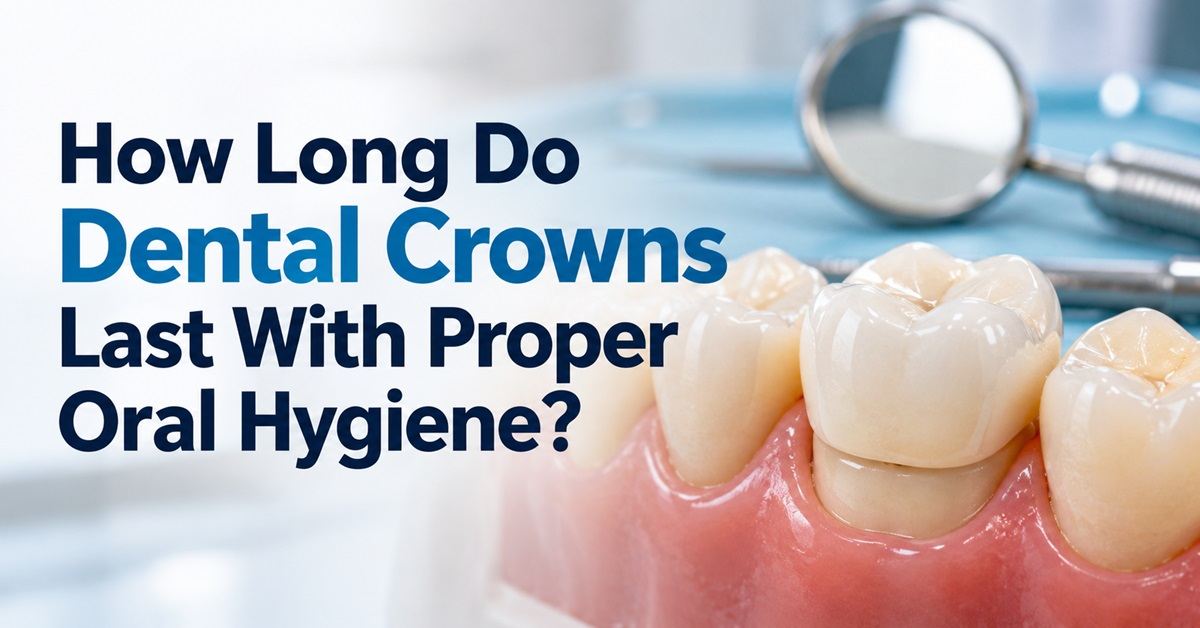
Most dental crowns last between 5 and 15 years, though many remain functional for 15 to 20 years or longer with proper care. Their lifespan varies based on the crown material, bite pressure, oral hygiene habits, and condition of the natural tooth beneath the restoration.
Patients asking how long do crowns last, how long do dental crowns last, or how long do crowns last on teeth should know that no fixed replacement date applies to every crown. A dental examination helps determine whether an existing crown remains in good condition or needs attention.
What Factors Affect Dental Crown Longevity?
Several factors influence how long a dental crown remains strong, secure, and comfortable.
1. Daily Oral Hygiene
Plaque can collect along the gumline where a crown meets the natural tooth. Poor plaque control can lead to gum disease, tooth decay beneath the crown, and gum recession, which may affect the restoration’s stability.
- Brush twice daily with a soft-bristled toothbrush and fluoride toothpaste.
- Clean between teeth every day with dental floss or an interdental cleaner.
- Pay close attention to the crown’s edges, where food particles and plaque may collect.
2. Crown Material
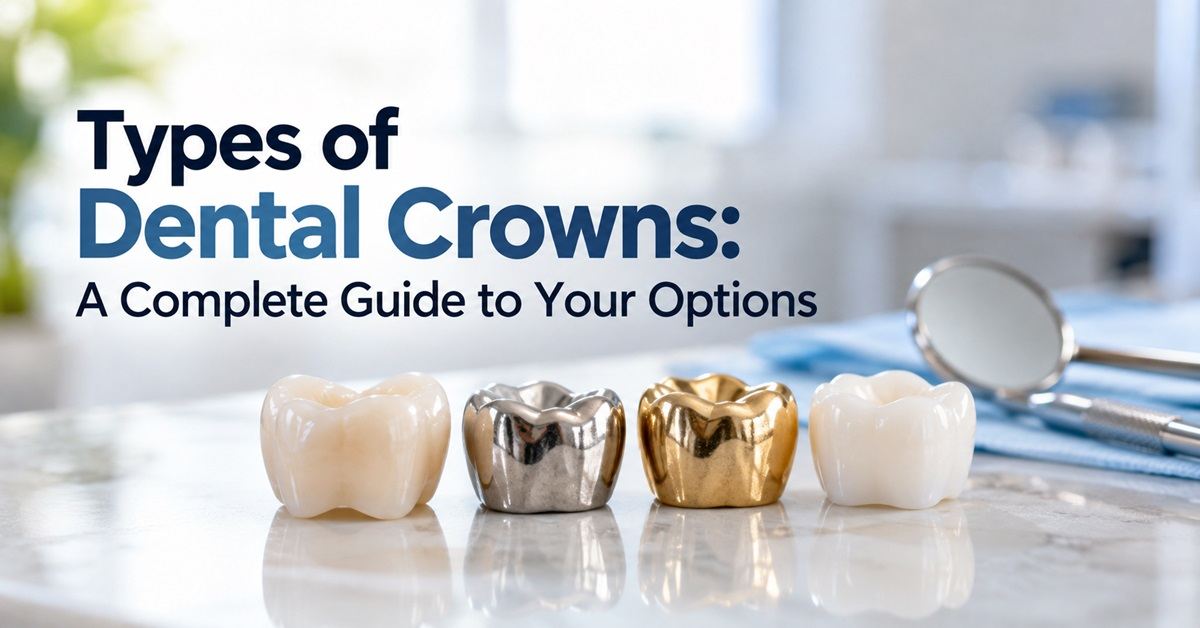
Porcelain, ceramic, zirconia, and metal crowns offer different benefits. Porcelain and ceramic crowns provide a natural appearance, zirconia offers strength, and metal crowns can withstand heavy chewing forces.
The right material depends on the tooth’s location, bite pressure, cosmetic goals, and dental needs. A dentist can recommend a suitable option after examining the tooth.
3. Eating Habits and Teeth Grinding
Chewing ice, biting hard objects, or opening packages with the teeth can chip or damage a crown. Nighttime teeth grinding, known as bruxism, can place repeated pressure on the restoration.
Patients who grind their teeth may benefit from a custom night guard. Avoiding hard foods and wearing a protective guard when prescribed can help reduce damage.
What Are the Signs That a Dental Crown Needs Replacement?
A crown does not always need replacement after a set number of years. Yet, certain changes call for a dental assessment.
- Pain or sensitivity: New discomfort during chewing or sensitivity to hot and cold foods may point to decay, nerve problems, or a bite issue.
- A loose crown: Movement can expose the underlying tooth to bacteria and may require prompt treatment.
- Visible cracks or chips: Damage can weaken the crown and affect chewing comfort.
- Gum swelling or bleeding: These symptoms may signal gum inflammation around the restored tooth.
- A dark line or food trapping: Changes near the crown’s edge may require an examination to check its fit and the health of the underlying tooth.
A Dentist Sandy patients visit for routine care can examine the crown, check the surrounding gums, and recommend treatment based on its condition.
How Can Patients Make Dental Crowns Last Longer?
Simple daily habits can help protect dental restorations and support long-term oral health.
- Maintain regular dental checkups: Routine visits help detect small problems before they cause further damage.
- Use fluoride toothpaste: Fluoride helps protect the natural tooth structure around the crown from decay.
- Limit sugary snacks and drinks: Frequent sugar exposure increases the risk of cavities along the crown’s margins.
- Avoid tobacco use: Tobacco can harm gum health and raise the risk of periodontal problems.
- Seek care for discomfort: A crown that feels high, loose, or painful should be checked rather than ignored.
Protect Your Smile With Expert Dental Care
A well-maintained dental crown can protect a damaged tooth for many years. Good brushing, daily flossing, healthy habits, and regular dental visits all help support its lifespan.
At Fort Union Family Dental, patients can receive guidance on crown care, crown condition, and suitable treatment options. Scheduling a dental appointment can help identify early signs of wear, protect the natural tooth, and keep the smile healthy for years to come.