

Keeping back teeth free from cavities can be challenging, especially for children who are still learning proper brushing habits. Molars have deep grooves that trap food particles and plaque, making these teeth more prone to tooth decay. Dental sealants offer a simple, painless way to protect these areas and support long-term oral health.
For families considering Dental Sealants in Sandy, Utah, learning how sealants work and how long they last can help with preventive dental care decisions. These thin protective coatings cover the chewing surfaces of molars, helping block bacteria and food debris from settling into hard-to-clean grooves.
How Long Do Dental Sealants for Molars Last?
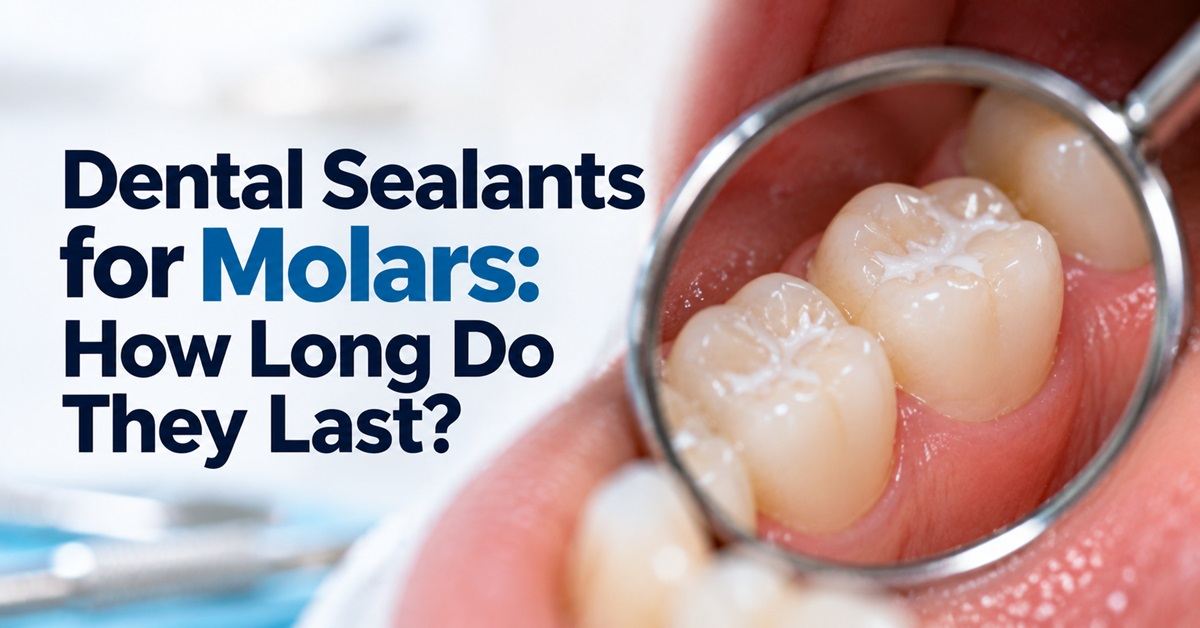
Dental sealants for molars can last up to 5 to 10 years, though some wear away sooner. Their lifespan depends on chewing pressure, oral hygiene, the sealant material, and regular dental monitoring.
A clear dental sealant for molars creates a thin barrier over the tooth’s pits and grooves. The coating does not replace brushing, flossing, or fluoride protection, yet it can lower the risk of cavities in treated areas.
A Dentist in Sandy, Utah can check the sealants during routine visits, identify worn or chipped areas, and recommend repair or replacement when needed.
Why Do Molars Need Dental Sealants?
Molars play a major role in chewing, and their uneven surfaces can make plaque removal difficult. Food particles may collect in narrow grooves even when brushing is part of the daily routine.
Dental sealants offer several benefits:
- Cavity prevention: The coating blocks food and bacteria from reaching vulnerable grooves, helping reduce the risk of tooth decay.
- Protection for children: Newly erupted permanent molars are common candidates for sealants, often around ages 6 and 12.
- Comfortable treatment: Applying a sealant usually requires no drilling or removal of healthy tooth structure.
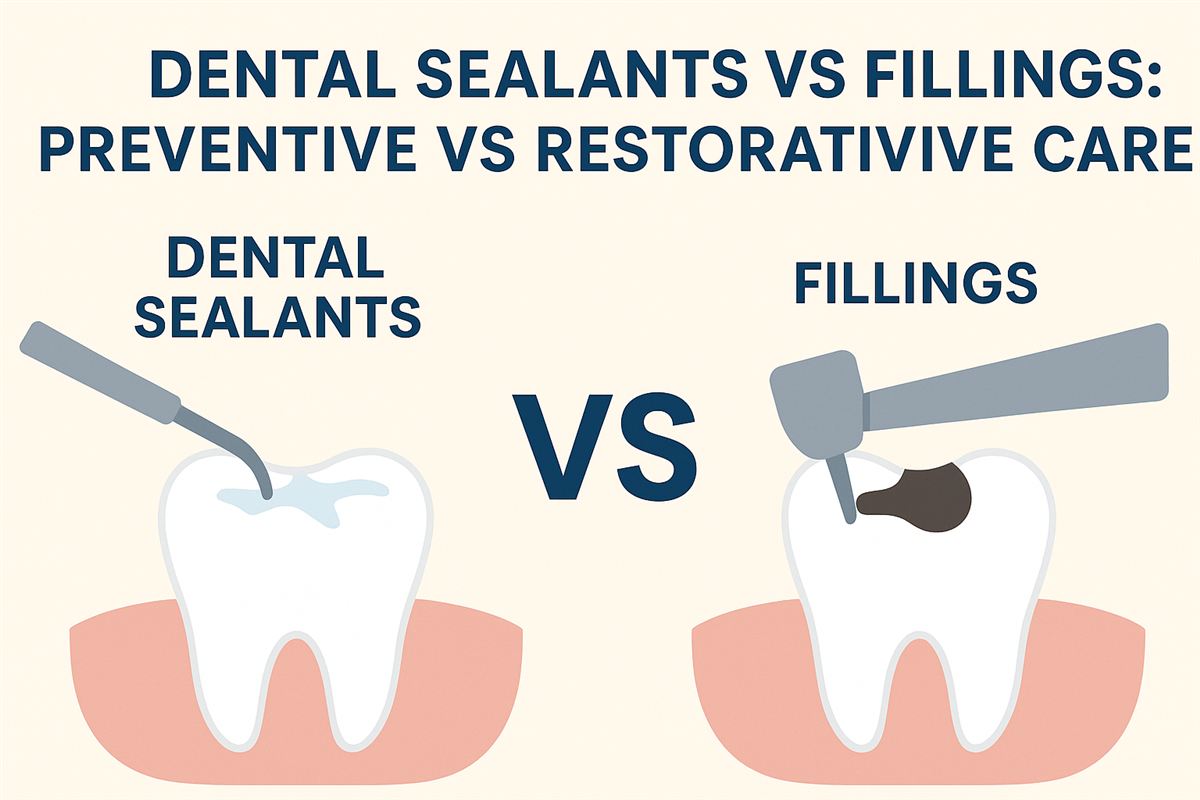
- Support for long-term oral health: Protecting molars early may reduce the need for fillings and other restorative treatments.
Adults with deep molar grooves may benefit from sealants too, provided the teeth are suitable for treatment and do not have untreated decay in the areas being sealed.
What Causes Dental Sealants to Wear Away?
Sealants face daily pressure from chewing, so gradual wear can occur over time. Certain habits and dental conditions may shorten their lifespan.
Common causes of sealant damage
- Hard foods: Frequent chewing on ice or very hard foods can damage the coating.
- Teeth grinding: Repeated pressure from grinding or clenching may wear down the protective layer.
- Incomplete coverage: A sealant that does not fully cover the grooves may leave areas open to plaque buildup.
- Natural wear: Daily chewing can gradually thin the material, even with good oral hygiene.
Regular dental examinations help identify these changes before an unprotected groove develops a cavity.
How Can Patients Make Dental Sealants Last Longer?
Good preventive habits help maintain sealant coverage and protect the natural tooth beneath it.
- Brush twice daily: Use fluoride toothpaste and a soft-bristled toothbrush to remove plaque from molars and the gumline.
- Clean between teeth: Daily flossing helps remove food debris and plaque from areas a toothbrush cannot reach.
- Limit sugary snacks: Frequent exposure to sugary foods and drinks increases the risk of tooth decay.
- Attend routine checkups: Dental visits allow the team to inspect each sealant and repair worn areas when needed.
- Follow age-appropriate dental advice: Children may need closer monitoring as their permanent molars erupt and their brushing skills develop.
Sealants should be checked regularly, even when they look intact. A dentist can determine whether the coating remains effective or needs attention.
When Should Dental Sealants Be Repaired or Replaced?
A chipped, worn, or partially missing sealant may leave a section of the molar exposed to plaque and bacteria. Dental visits help identify gaps in coverage, and a replacement coating can often be applied when the tooth remains suitable for treatment.
If a tooth develops pain, sensitivity, or visible signs of decay, a dental examination can help determine whether a cavity or another problem needs treatment. Sealants protect vulnerable surfaces, but they cannot treat an existing cavity.
Protect Molars With Preventive Dental Care
Dental sealants can provide years of added protection against cavities when paired with good oral hygiene and regular checkups. Their condition should be monitored over time so worn areas can be repaired before tooth decay develops.
At Fort Union Family Dental, families can receive guidance on molar protection, sealant maintenance, and preventive dental visits. Schedule an appointment to find out whether dental sealants are a suitable option for protecting a healthy smile.