

Gaps between teeth can affect the appearance of a smile and make some people feel self-conscious when talking or smiling. Many patients seek a simple cosmetic treatment that improves tooth shape without lengthy treatment or major changes to natural teeth. Dental bonding offers one option for closing small gaps and creating a more even-looking smile.
For patients considering Dental Bonding in Sandy, Utah, learning how this treatment works can help with choosing the right cosmetic dental care. Tooth-colored composite resin can fill spaces between teeth, improve tooth proportions, and blend with the natural enamel for a balanced appearance.
What Is Dental Bonding for Gap Teeth?
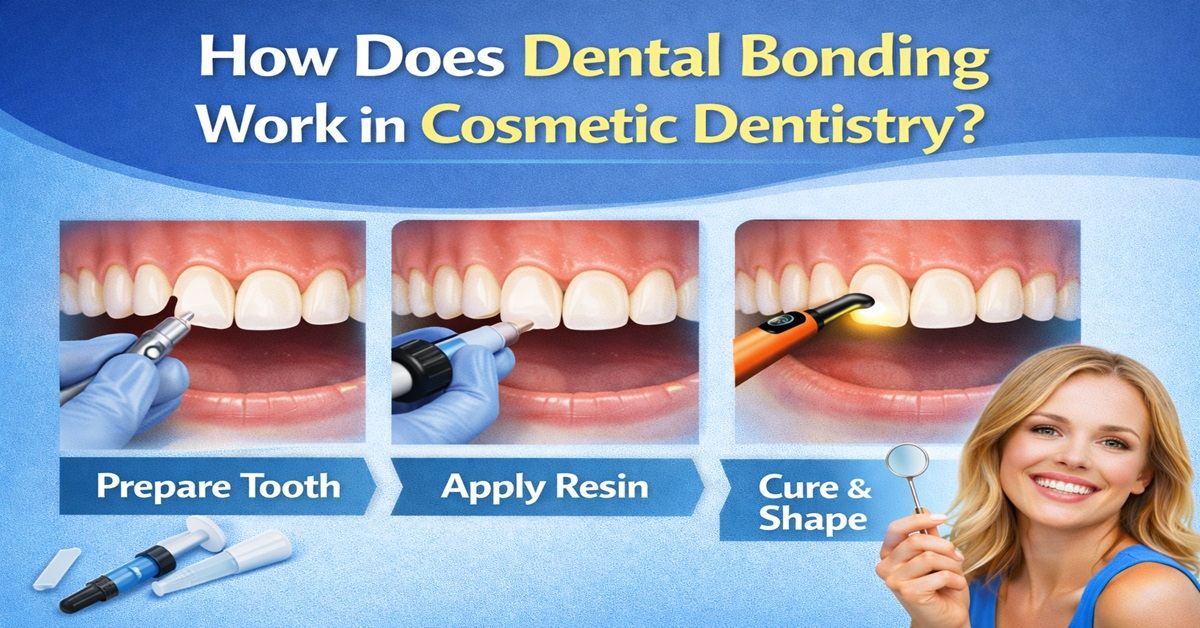
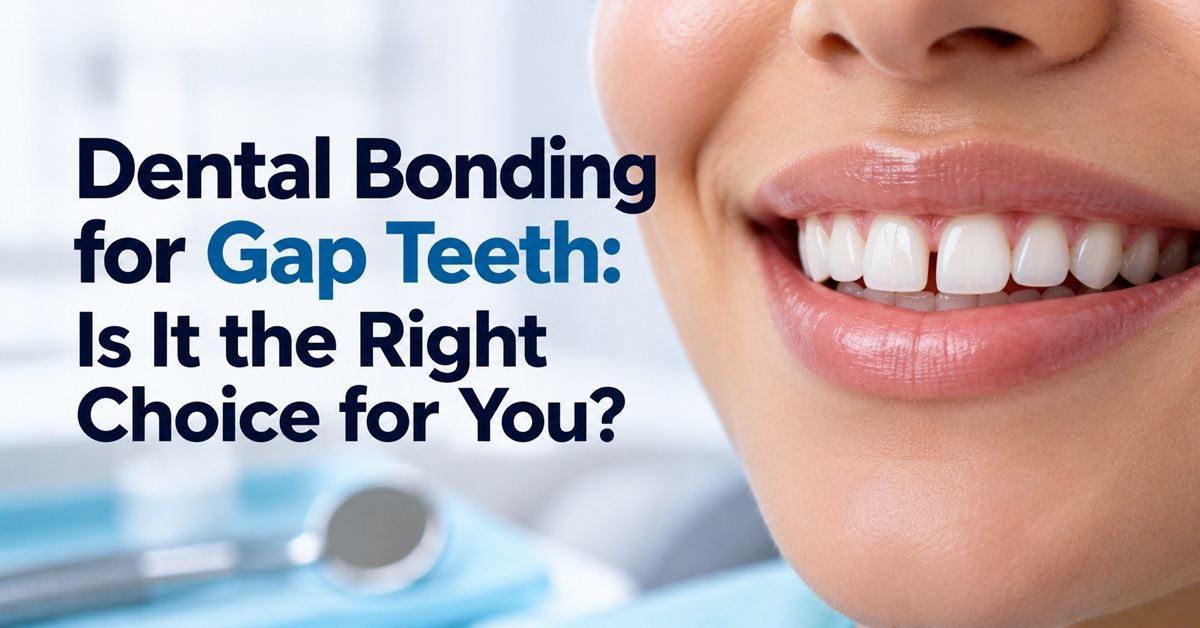
Dental bonding for gapped teeth uses a tooth-colored composite resin applied to the sides of selected teeth. The dentist shapes the resin to reduce the visible space, hardens it with a special curing light, then polishes the surface for a smooth finish.
This treatment often requires little or no removal of natural tooth enamel. Dental bonding for gap teeth can be completed in a single visit in many cases, making it an appealing choice for patients seeking a quick cosmetic improvement.
A Dentist Sandy, Utah patients visit for cosmetic care can examine the size of the gap, tooth shape, bite, and gum health before recommending treatment.
Who Is a Good Candidate for Dental Bonding?
Dental bonding may suit patients with small gaps and healthy teeth. The right choice depends on the cause and size of the space, along with the condition of the surrounding teeth.
Dental bonding may be suitable for:
- Small gaps between front teeth: Composite resin can widen the visible edges of the teeth to close a minor space.
- Uneven tooth shapes: Bonding can improve the appearance of teeth that look narrow, chipped, or slightly uneven.
- A quick cosmetic change: Many bonding procedures are completed in one appointment without extensive preparation.
- A conservative treatment preference: Bonding often preserves more natural tooth structure than treatments that require greater enamel removal.
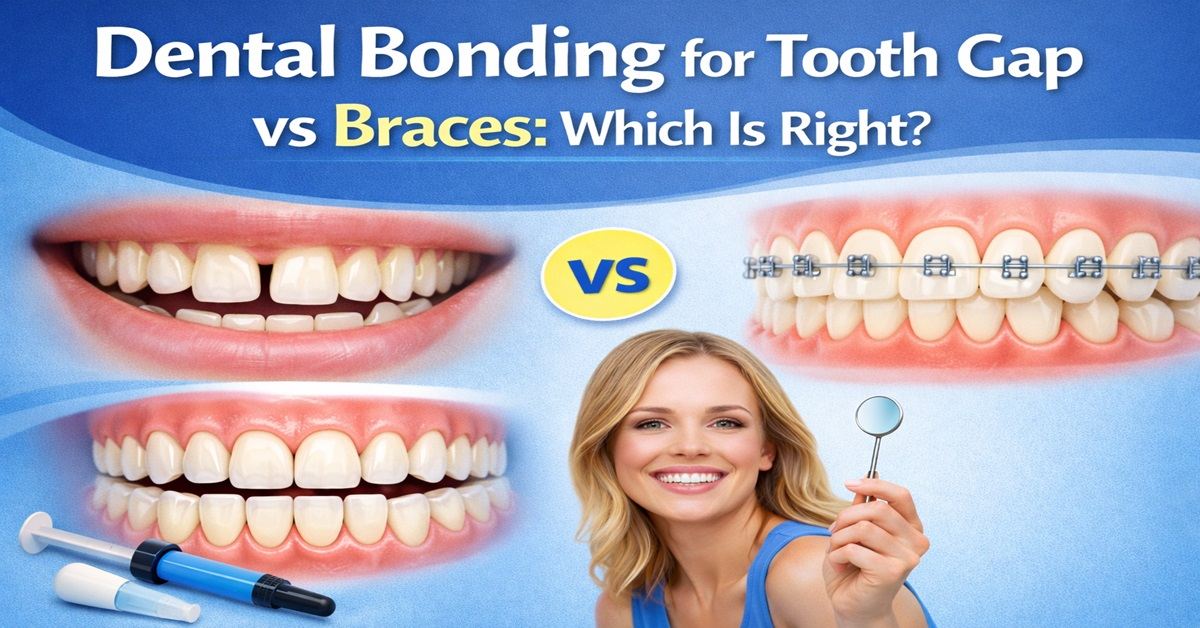
Larger gaps, crowding, or spaces caused by bite problems may call for orthodontic treatment, such as braces or clear aligners. A dental examination can help identify the cause and guide treatment planning.
What Are the Benefits and Limitations of Dental Bonding?
Dental bonding offers several benefits, though its limits matter when choosing a long-term solution.
Benefits
- Natural appearance: Composite resin can be matched to the surrounding tooth shade for a seamless smile.
- Less invasive treatment: Most cases require little alteration to natural enamel.
- Convenient treatment: Small gaps can often be treated in one dental visit.
- Lower initial cost: Bonding often costs less than porcelain veneers, though fees vary by case and location.
Limitations
- Staining: Composite resin can stain from coffee, tea, red wine, and tobacco.
- Chipping or wear: Bonding material is less durable than some ceramic restorations and can chip under heavy biting forces.
- Maintenance needs: Repairs or replacement may be needed over time. Bonding often lasts around 3 to 10 years, depending on oral habits, location, and care.
- Limits for large gaps: Closing a wide space with resin can make teeth look too broad or uneven.
How Can Patients Care for Bonded Teeth?
Good oral hygiene and careful daily habits help protect composite resin and maintain the appearance of bonded teeth.
- Brush twice daily: Use a soft-bristled toothbrush and fluoride toothpaste to protect teeth and gums.
- Floss every day: Clean between teeth gently to remove plaque around bonded edges.
- Avoid biting hard objects: Ice, pens, fingernails, and hard candy can chip the resin.
- Limit stain-causing habits: Reduce frequent exposure to coffee, tea, and tobacco to help preserve the resin’s shade.
- Attend regular dental checkups: Routine visits allow the dentist to check bonding margins, polish the surface, and repair small chips when needed.
Is Dental Bonding the Right Choice?
Dental bonding can be an effective option for closing small gaps, improving tooth shape, and creating a more even smile with limited tooth preparation. Larger spaces or bite concerns may need a different treatment plan, so a personal dental assessment is the best starting point.
At Fort Union Family Dental, patients can discuss cosmetic goals, available treatments, and care needs before making a decision. Schedule an appointment to find out whether dental bonding can help create a smile that looks natural and feels comfortable.