

Tooth pain can raise many questions, especially when it is unclear whether a simple filling will solve the problem or a more involved treatment is needed. Some patients notice sensitivity to sweets or cold drinks, while others experience deep tooth pain that disrupts sleep. Knowing the difference between a cavity and a root canal can help patients understand their treatment options and seek care at the right time.
For patients seeking Root Canals in Sandy, Utah, knowing how tooth decay affects the inner pulp can help with making informed dental care decisions. Early treatment may save a tooth with a filling, but decay that reaches the pulp may require root canal therapy to remove infected tissue and preserve the natural tooth.
What Is the Difference Between a Cavity and a Root Canal?
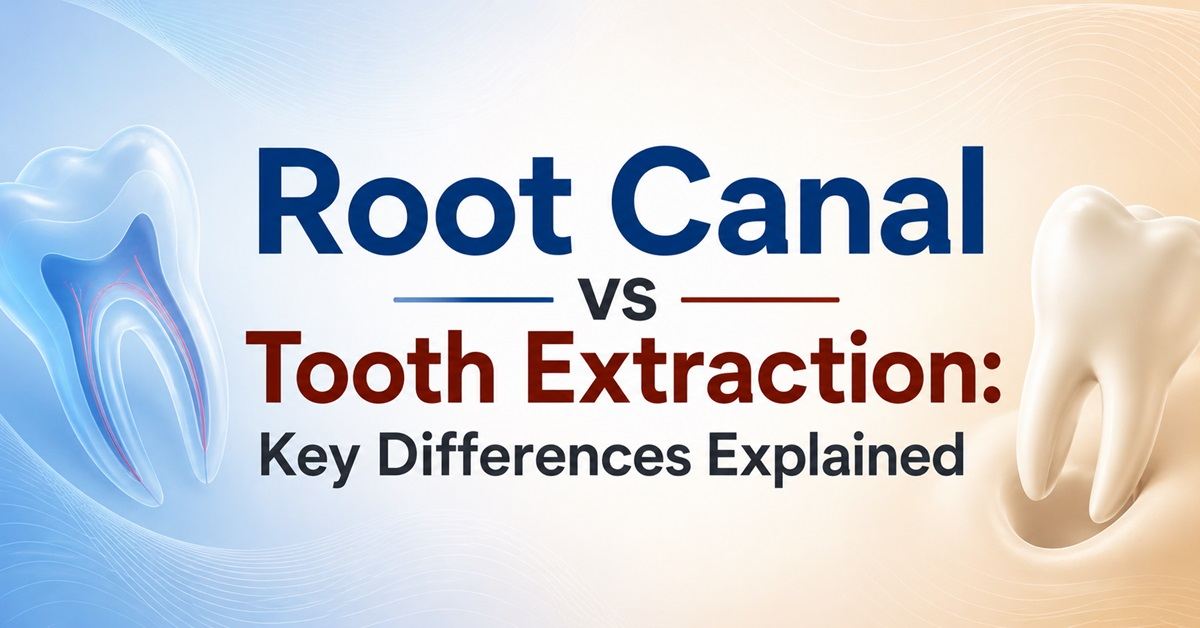
The main difference in the cavity vs root canal comparison is that a cavity is tooth damage caused by decay, whereas a root canal is a dental procedure used to treat infection or inflammation inside a tooth. The terms cavities vs root canal refer to different things, since a cavity is a condition and a root canal is a treatment.
A Dentist Sandy UT patients visit for care can examine the tooth, check for decay, and recommend treatment based on the depth of damage and the health of the dental pulp.
What Is a Dental Cavity?
A dental cavity develops when bacteria in plaque produce acids that weaken tooth enamel. Without treatment, decay can spread into the softer dentin and eventually reach the pulp, which contains nerves and blood vessels.
Common cavity symptoms
- Tooth sensitivity: Cold drinks, hot foods, or sweets may trigger brief discomfort, especially when decay reaches the dentin.
- Visible holes or dark spots: Some cavities appear as small pits, brown marks, or dark areas on the tooth.
- Pain during chewing: Pressure on a damaged tooth may cause discomfort as decay progresses.
- Few or no symptoms: Early cavities may not hurt at all, making regular dental checkups important for early detection.
How is a cavity treated?
A dentist removes the decayed portion of the tooth and fills the space with a suitable dental material. Early treatment helps preserve healthy tooth structure and may prevent decay from reaching the pulp.
What Is a Root Canal?
Root canal treatment is used when the pulp inside a tooth becomes infected or severely inflamed. Deep decay, cracks, or dental injuries can allow bacteria to reach this inner tissue.
Common signs that root canal treatment may be needed
- Persistent toothache: Pain may last for long periods or occur without eating or drinking.
- Lingering temperature sensitivity: Discomfort may continue after hot or cold foods have been removed.
- Swollen or tender gums: Infection near the root may cause swelling or a small pimple-like bump on the gums.
- Pain when biting: Pressure on the affected tooth may cause sharp or ongoing discomfort.
- Tooth discoloration: A tooth that turns darker may have damage to its inner pulp.
Some infected teeth cause little pain, so symptoms alone cannot confirm whether a root canal is needed.
How does root canal treatment work?
The dentist removes infected or damaged pulp, cleans and disinfects the root canals, then seals the space with a filling material. A dental crown may be recommended afterward to protect the weakened tooth and restore chewing strength.
Cavity Filling vs Root Canal: Which Treatment Is Needed?
The right treatment depends on how far decay has spread and whether the pulp remains healthy.
- Small or moderate cavity: A filling can repair the damaged area when decay has not caused irreversible pulp damage.
- Deep decay without pulp infection: Some teeth may need protective treatment and close monitoring, depending on the pulp’s condition.
- Pulp infection or irreversible inflammation: Root canal therapy may help save the natural tooth instead of removing it.
- Severe damage or an unsalvageable tooth: Extraction may be considered if the tooth cannot be restored safely.
A dental examination, X-rays, and pulp tests help guide treatment. Early care may prevent more complex procedures and reduce the risk of infection spreading.
How Can Patients Prevent Cavities and Root Canal Problems?
Daily habits can reduce the risk of tooth decay and help protect natural teeth.
- Brush twice daily with fluoride toothpaste to remove plaque and strengthen enamel.
- Floss daily to clean between teeth and along the gumline.
- Limit frequent sugary snacks and drinks that feed cavity-causing bacteria.
- Attend routine dental checkups so decay can be found before it reaches deeper tooth layers.
- Seek dental care for ongoing pain, swelling, or sensitivity rather than waiting for symptoms to worsen.
Protect Natural Teeth With Timely Dental Care
A cavity may need only a filling when treated early, but deeper decay can lead to pulp damage and root canal treatment. Early diagnosis helps protect natural tooth structure and supports long-term oral health.
At Fort Union Family Dental, patients can receive an examination and guidance on suitable treatment options. Schedule a dental appointment for tooth pain, sensitivity, or suspected decay to help identify the problem and determine the next steps toward a healthier smile.